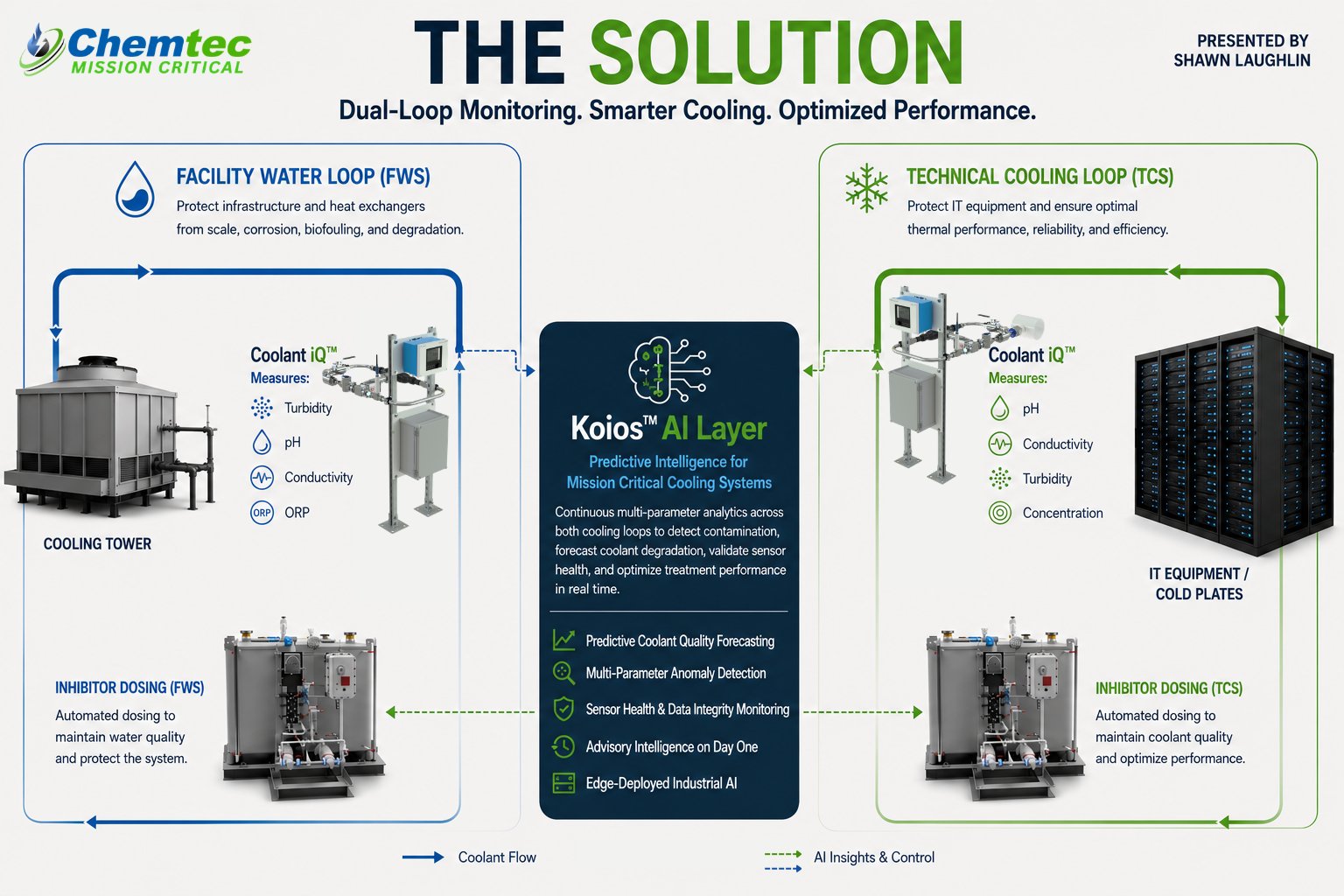
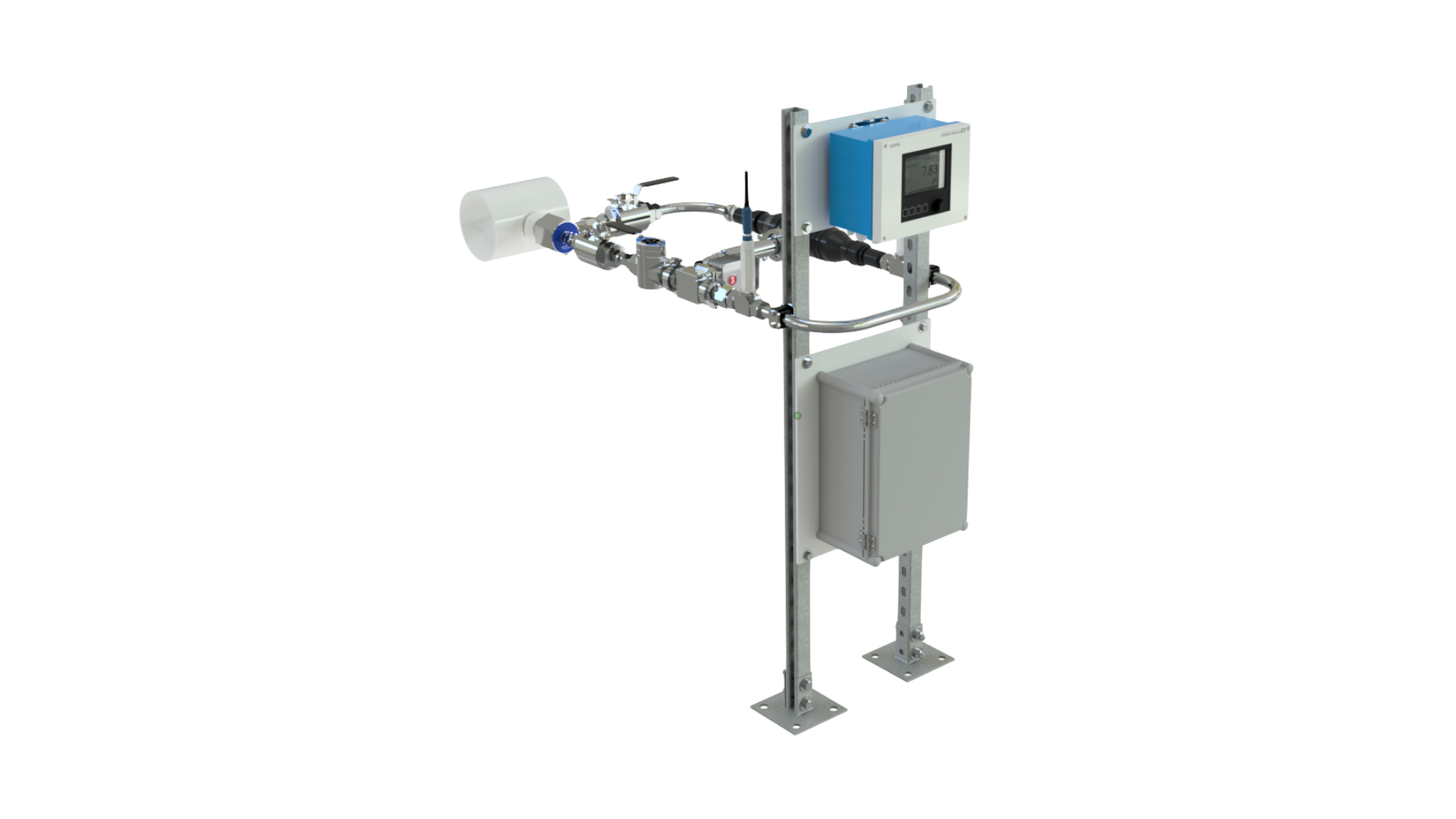
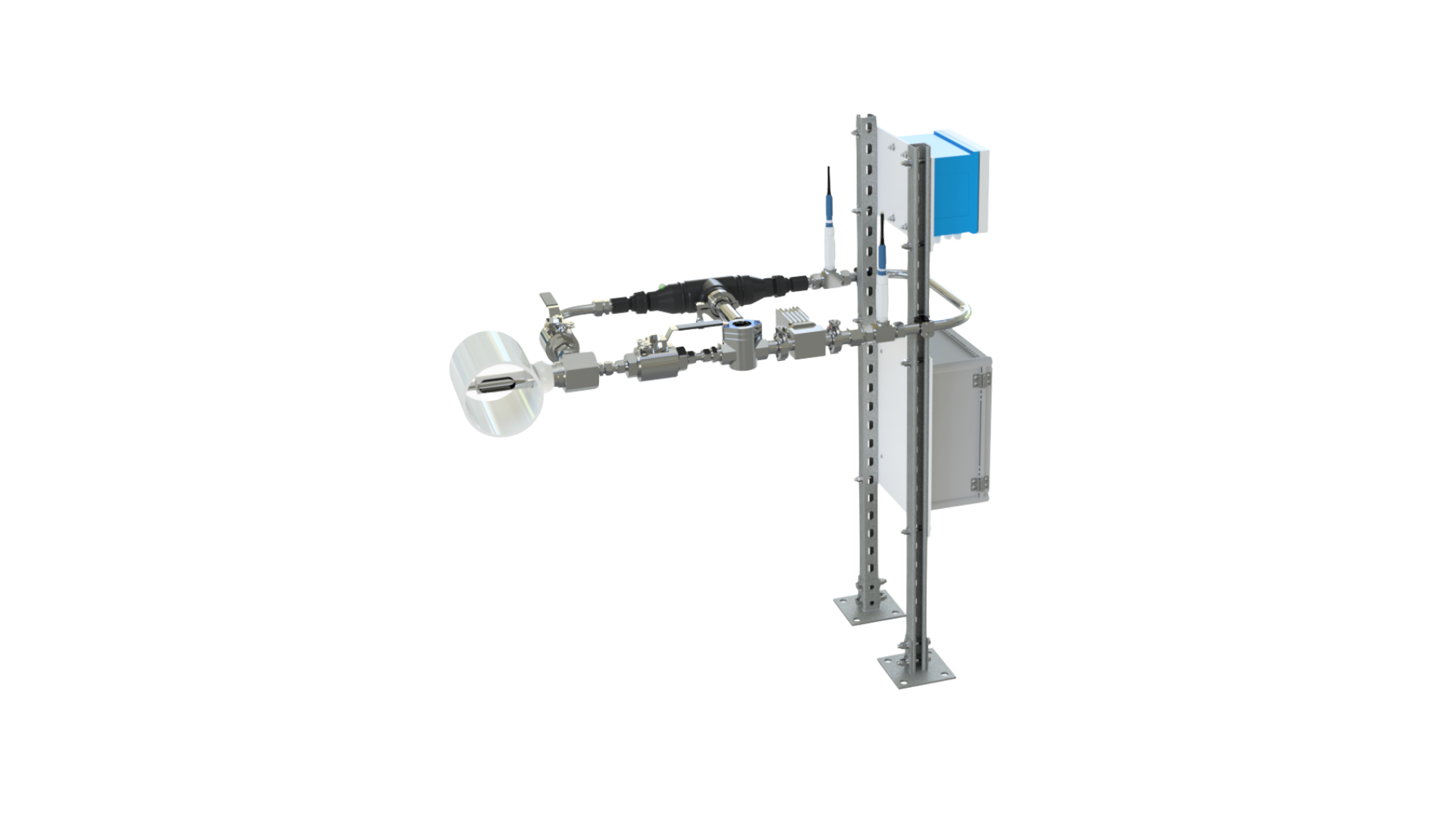
Coolant iQ™ delivers real-time continuous chemistry monitoring across both your Technical Cooling System and Facility Water System — simultaneously. On one patented platform, with one AI layer.
PUE-weighted Failure Modes and Effects Analysis across a 10 MW data hall at $0.09/kWh. Every one of these failure modes is detectable — and recoverable — with continuous chemistry monitoring.
Pressure, flow, and temperature sensors cannot detect slow chemistry-driven degradation. By the time a traditional alarm fires, the damage is already costing you.
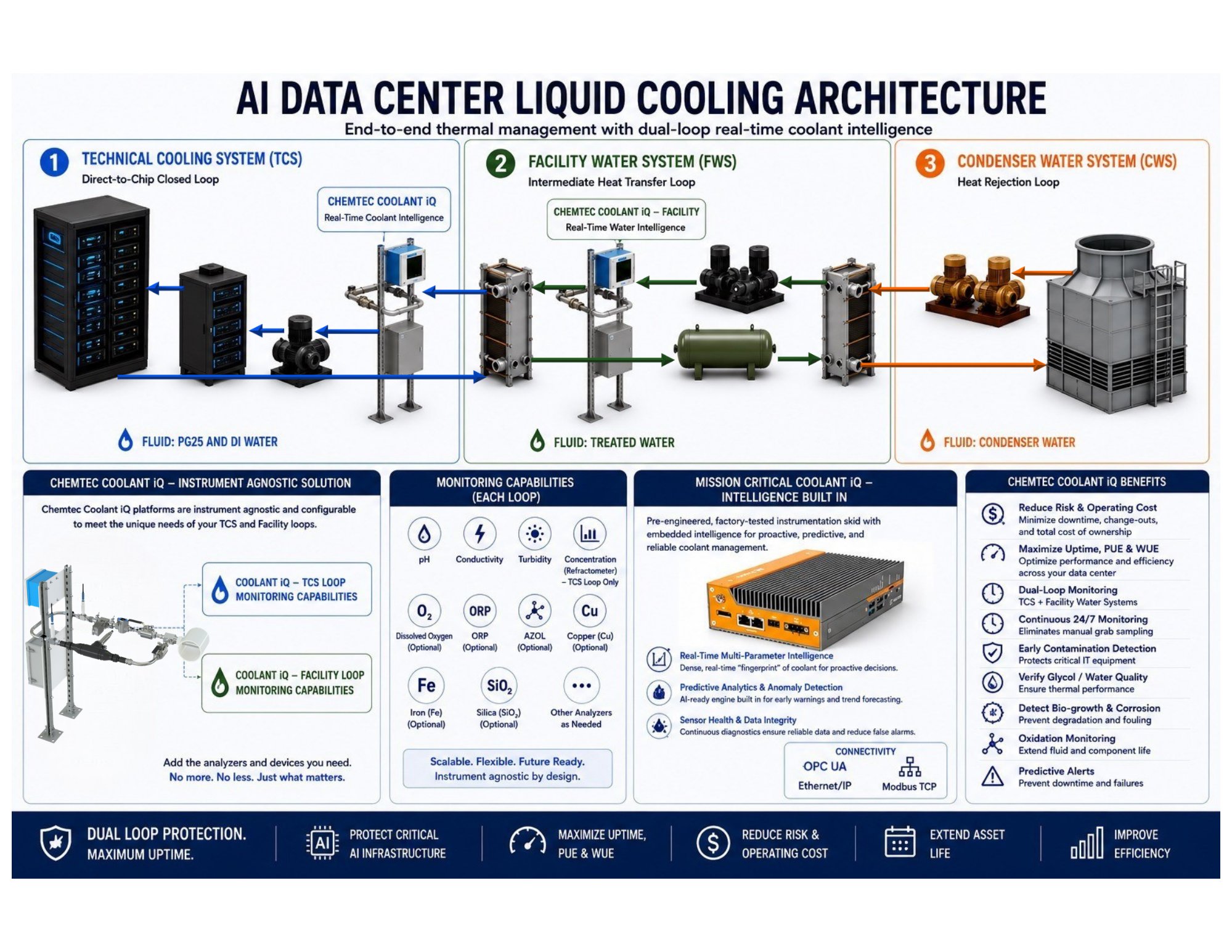
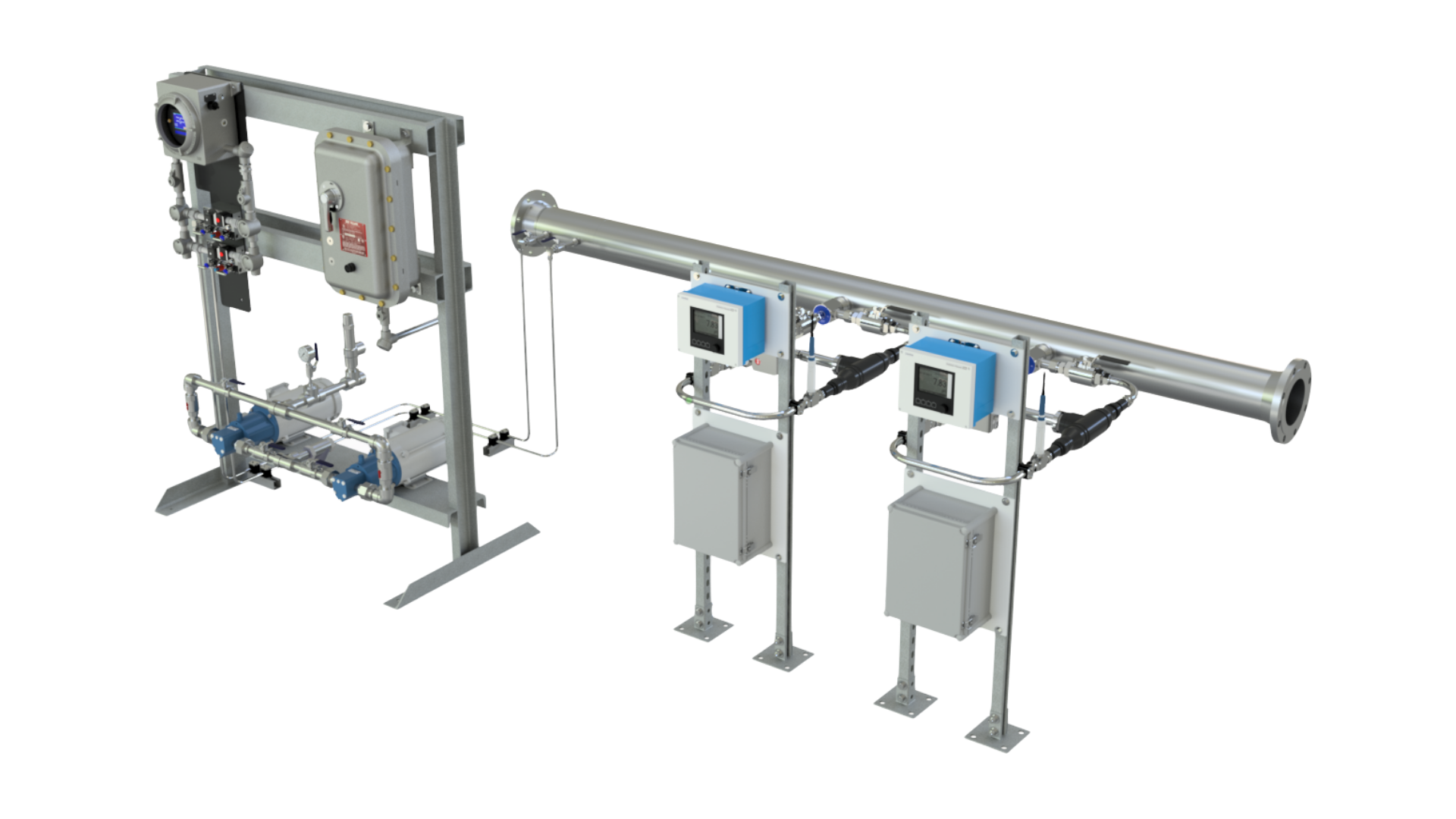
The Chemtec Coolant iQ™ system is capable of real time monitoring across all the cooling loops of the modern AI data center — TCS, FWS, and CWS — giving you end to end fluid chemistry visibility from the cold plate to the cooling tower.
Coolant iQ™ delivers a continuous, real-time chemical fingerprint of both cooling loops simultaneously — the live data layer that makes your thermal infrastructure predictable, defensible, and optimized.
Koios® AI ships productized inside every Elite skid — not added later, not a cloud subscription. One instance supports up to four Coolant iQ loops simultaneously.
Every Coolant iQ unit completes full Level 3 factory acceptance testing at Chemtec's Willis, TX facility before shipping. Electrical and physical functional verification. FAT report included.
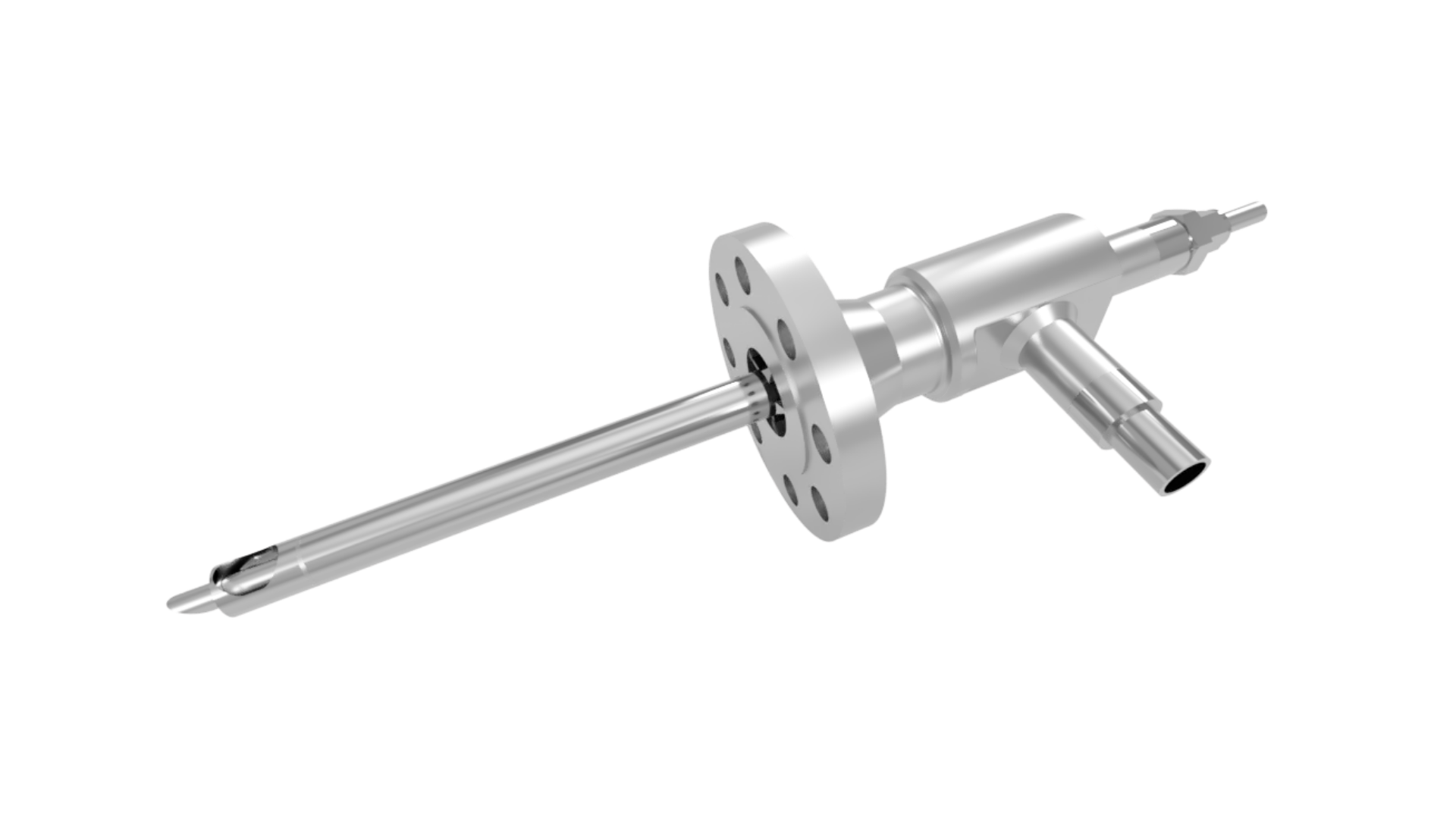
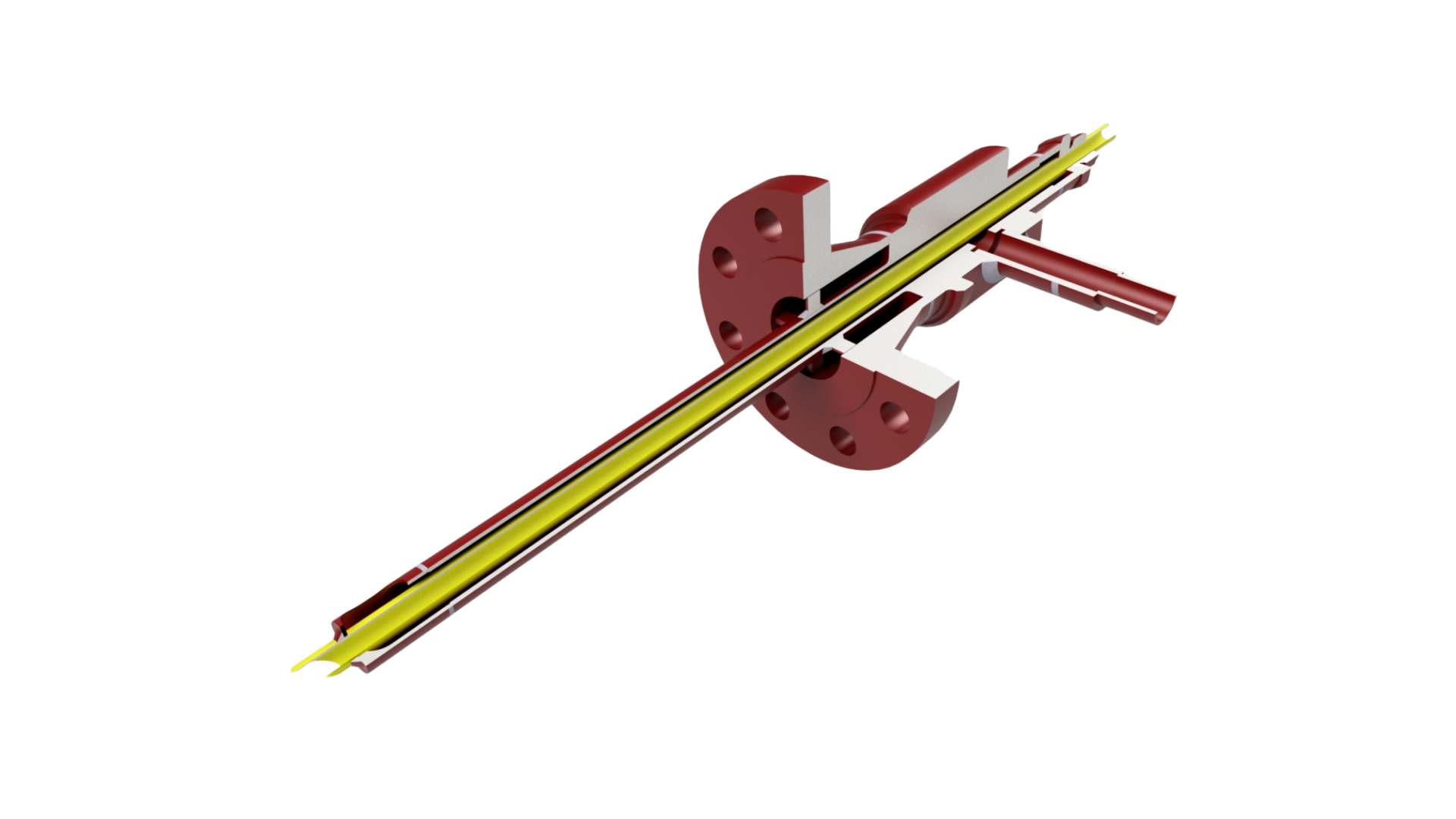
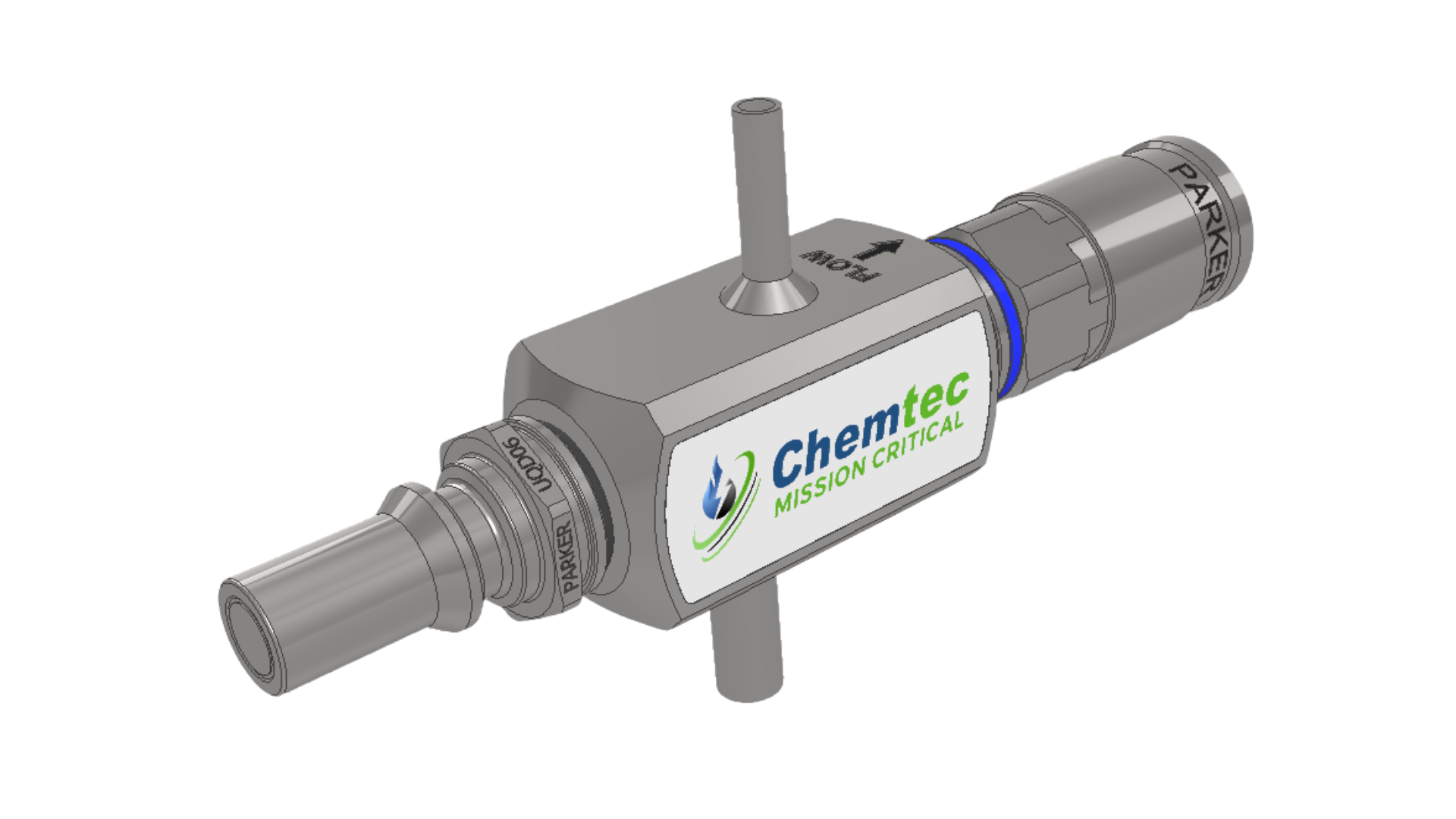
The patented sampling mechanism at the heart of every Coolant iQ installation. A single hot-tap into the mainline — no pumps, no external pressure source, no process interruption, ever.


Four continuous chemistry parameters per loop — each one chosen because it detects a specific failure mode that pressure, flow, and temperature sensors cannot see. Every parameter. Every loop. Every minute.
GPU cold plate microchannels are ≤10 microns wide. Standard industry turbidity sensors floor out at 1 FNU — the level at which a sample visibly clouds. By then, particulate has already been accumulating in microchannels for weeks. Coolant iQ Elite detects contamination at 0.001 FNU — 1,000× earlier — in the range where particulate is building but invisible to every other instrument on site.
pH excursion is the upstream cause of most corrosion events in liquid cooling loops. When corrosion inhibitors in PG25 coolant deplete below their protective threshold, pH drifts — and galvanic attack begins on copper cold plates and aluminium CDU components without triggering a single BMS alarm. By the time a pressure sensor responds, the damage is done.
Coolant iQ deploys where it matters most — starting with the FWS loop and scaling across every data hall TCS loop and sub-loop as required. Each monitoring location is configured with the customer-approved instrument set that best supports the chemistry monitoring and prediction requirements of that specific loop.
Ready to see what your loops are doing right now? Request a technical briefing, a site-specific ROI analysis, or a Coolant iQ™ product demonstration.
ΔPUE impact: 0.03–0.08 across a 10 MW data hall at $0.09/kWh. Scaling occurs when dissolved minerals in the facility water loop precipitate onto heat transfer surfaces as temperatures rise. Even a 0.25mm calcium carbonate deposit reduces heat transfer efficiency by 10–20%, forcing the chiller plant to work harder at greater power cost.
Coolant iQ monitors FWS conductivity and pH continuously — the two parameters that predict scaling risk before deposition begins. Koios AI correlates the trajectory and triggers a MiniBLOCK dosing event before the problem develops. Neither pressure, flow rate, nor temperature sensors detect early-stage fouling.
ΔPUE impact: 0.01–0.05. Biological growth in the facility water loop changes fluid viscosity and flow resistance, reduces heat exchanger efficiency through biofilm insulation, and in open cooling tower systems creates Legionella risk.
ORP is the primary real-time indicator of biocide residual in treated water. A dropping ORP reading signals the biocide program is losing efficacy before biological growth becomes macroscopic. Coolant iQ Facility monitors ORP continuously alongside turbidity, pH, and conductivity — the four-parameter fingerprint cross-correlated by Koios surfaces biological activity weeks before quarterly lab sampling would detect it.
ΔPUE impact: 0.02–0.06. GPU cold plate microchannels are typically ≤10 microns wide. Particulate contamination at this scale is invisible to pressure sensors until blockage is severe — by which point the GPU is already thermally throttled.
Coolant iQ Elite turbidity detection at 0.001 FNU (ISO 15839, formazine, ultrapure water) is 1,000× more sensitive than the industry standard 1 FNU floor. Turbidity trending — not just point-in-time measurement — allows Koios to identify the accumulation pattern and trigger a filtration or flushing event before GPU performance is affected.
Corrosion inhibitors in PG25 coolant (azole compounds, such as benzotriazole) deplete over time. When they fall below protective threshold, galvanic attack begins on copper cold plates and aluminium CDU components — silently, without triggering any BMS alarm.
pH monitoring is the primary real-time indicator of inhibitor breakdown. Coolant iQ monitors pH continuously — pH trending downward combined with rising conductivity is the Koios cross-correlation signature of an inhibitor depletion event. MiniBLOCK dosing corrects concentration before corrosion products enter the loop.
ΔPUE impact: 0.02–0.06. A failed sensor triggers an alarm. A drifted sensor reports plausible but incorrect data — and nobody knows. Dosing decisions made on drifted data, missed contamination events, and SLA non-compliance all follow.
E+H Heartbeat Technology (Elite tier) provides continuous sensor self-verification — a pass/fail proof of sensor condition that runs while live in the process, without removing it or shutting down the loop. A traceable verification report in under one minute. Koios Capability 3 adds an AI cross-correlation layer above the hardware — detecting drift the individual sensor self-diagnostic might miss.
ΔPUE impact: 0.02–0.05. Glycol concentration drift changes the viscosity and specific heat capacity of PG25 coolant, altering flow resistance throughout the TCS loop. The hydraulic model the CDU control system was commissioned to is no longer valid — yet flow sensors appear normal because volumetric flow rate may be unchanged while heat transfer capacity has decreased.
Coolant iQ monitors conductivity and glycol concentration simultaneously. When both trend together, Koios flags a concentration shift event — enabling correction before the flow balance is meaningfully affected.
ΔPUE impact: 0.01–0.03. Corrosion-driven degradation of pump impellers reduces hydraulic efficiency over time. The pump draws the same power but delivers less flow — and the BMS sees no anomaly because power consumption and VFD frequency remain within normal ranges.
pH excursions in either loop accelerate corrosion of impeller materials. Coolant iQ monitors pH continuously — pH + turbidity cross-correlation identifies the onset of corrosion-generated particle load before impeller degradation becomes mechanically significant. Early pH correction via MiniBLOCK protects pump impeller life.
The Uptime Institute Annual Outage Analysis 2024 reports that more than half of all significant data center outages — those causing downtime, data loss, SLA violations, or financial impact — are traced to cooling-related failure modes.
This figure encompasses both direct cooling failures (thermal events, CRAC/CRAH failure, chiller faults) and chemistry-driven degradation failures (fouling, scaling, corrosion, biofouling) that develop slowly and invisibly before causing acute incidents.
Coolant iQ specifically addresses the chemistry-driven degradation modes — the ones that develop over weeks and months without triggering any traditional pressure, flow, or temperature alarm.
Elite: Endress+Hauser Turbimax CUS52D. Measurement range 0–10 FNU. Limit of detection 0.0015 FNU in ultrapure water. Calibrated per ISO 15839 using formazine primary standard. This is the lowest turbidity detection limit available on any inline process sensor commercially.
Core / Advanced: Pyxis ST-730SS-T. Resolution 0.1 NTU. Industry-grade inline turbidity suitable for most TCS and FWS applications.
The industry standard for data center coolant grab samples is typically 1 FNU — the level at which the sample visibly clouds. Coolant iQ Elite detects contamination 1,000× earlier, in the range where particulate is accumulating in microchannels but not yet visible to the human eye.
Elite: E+H Memosens digital glass pH sensor. The Memosens protocol transmits calibration data and sensor diagnostics digitally — eliminating signal interference and enabling sensor pre-calibration in the lab before installation. Heartbeat Technology continuously validates sensor condition in-process without removal.
Core / Advanced: Pyxis ST-710SS. Analog output, 0–14 pH range, compatible with standard transmitters.
Target pH range for PG25 coolant: typically 7.5–9.5 per OCP guidelines and fluid manufacturer specification. Facility water loop target varies by system — typically 7.0–9.0. pH outside these bands triggers Koios advisory and MiniBLOCK dosing recommendation.
Elite: E+H Memosens conductivity sensor. Range 0–2000 mS/cm. Digital Memosens protocol with temperature compensation. Heartbeat self-diagnostics.
Core / Advanced: Pyxis ST-722. Standard conductivity range suitable for TCS and FWS applications.
In the TCS loop, conductivity tracks tramp fluid ingress, chemical dilution, and inhibitor depletion. In the FWS loop, conductivity tracks total dissolved solids, treatment chemical concentration, and makeup water quality. Rising conductivity in the TCS loop is a primary indicator of a glycol dilution event or contamination ingress. In the FWS loop, it tracks scaling tendency.
TCS Loop — Glycol Concentration: KXS DCM-20 inline digital refractometer with automatic temperature compensation. Measures 0–50% glycol concentration continuously in real time. Replaces periodic manual refractometer checks. Concentration drift changes thermal conductivity directly and must be maintained within specification for cold plate performance and freeze protection.
FWS Loop — ORP: Oxidation-Reduction Potential probe. ORP is the primary indicator of biocide residual in treated water systems. A positive ORP confirms active biocide presence; dropping ORP signals program failure before biological growth is detectable by any other means. Cross-correlated by Koios with turbidity and conductivity for biological activity confirmation.
Contact the Chemtec Mission Critical team to schedule a technical briefing, site-specific ROI analysis, or a Coolant iQ product demonstration through your local Endress+Hauser team.
Shawn Laughlin — President
(740) 610-4950 · Shawn.Laughlin@ChemtecEnergy.com
Andrew Mahon — VP Mission Critical
(281) 299-4180 · Sales@ChemtecEnergy.com
Chemtec Energy Services LLC · 11745 Cude Cemetery Road · Willis, TX 77318
chemtecenergy.com/mission-critical